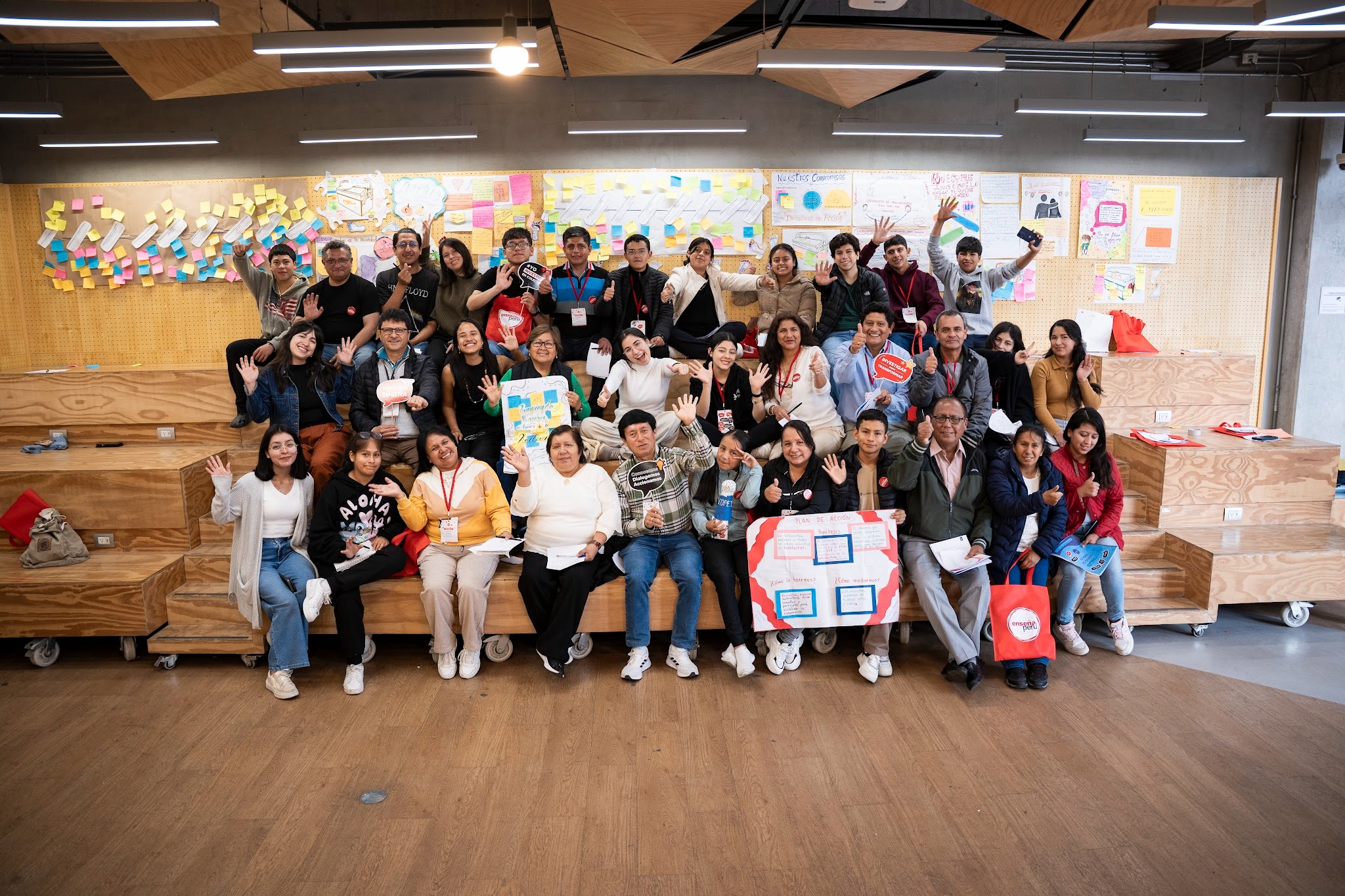
Enseña Perú’s organizational purpose is to catalyze collective education systems transformation. A curiosity about commitment- what drives people to commit, what are the enablers, and what are the barriers- is one analytical lens with which Enseña Perú views education systems transformation. In 2024, their dedication to further researching this commitment led Enseña Perú to partner with the Center for Universal Education at the Brookings Institution. As a member of the Network for Education Systems Transformation, Enseña Perú continues to use this framework to drive their work in local schools and communities.
Within two districts, San Marcos and Ascope, Enseña Perú has worked with UGELs to facilitate participatory research. In both instances, existing educational priorities, student leadership in San Marcos and literacy in Ascope, provided a starting point to explore educational engagement. With these personalized goals in mind, Enseña Perú set out to improve student outcomes in collaboration with local communities.
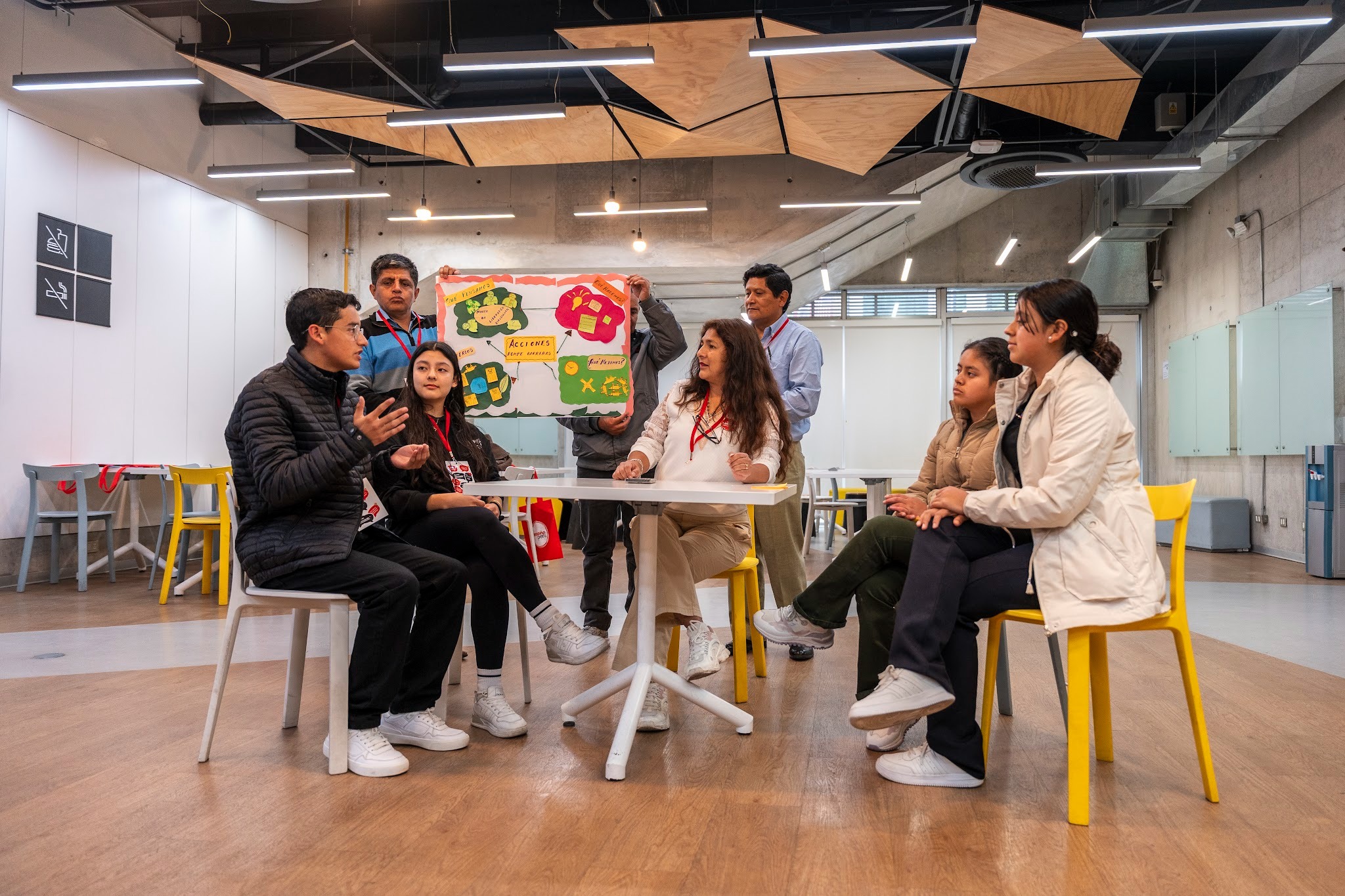
From the beginning of the research process, meaningfully involving a wide array of stakeholders was a priority for Enseña Perú. Advisory Committees with students, families, teachers, and other key stakeholders, were formed not to provide passive representation but to co-design and implement the research plan in its entirety. From start to finish, the committees in each territory played a leading role in determining the research focus, tools and methodology, and overall approach to the process. Committee members became the true heart of the research, modeling what it means to realistically conduct collaborative research. As one participant described, “This is a research project in which we all contribute and our opinions are taken into account.”
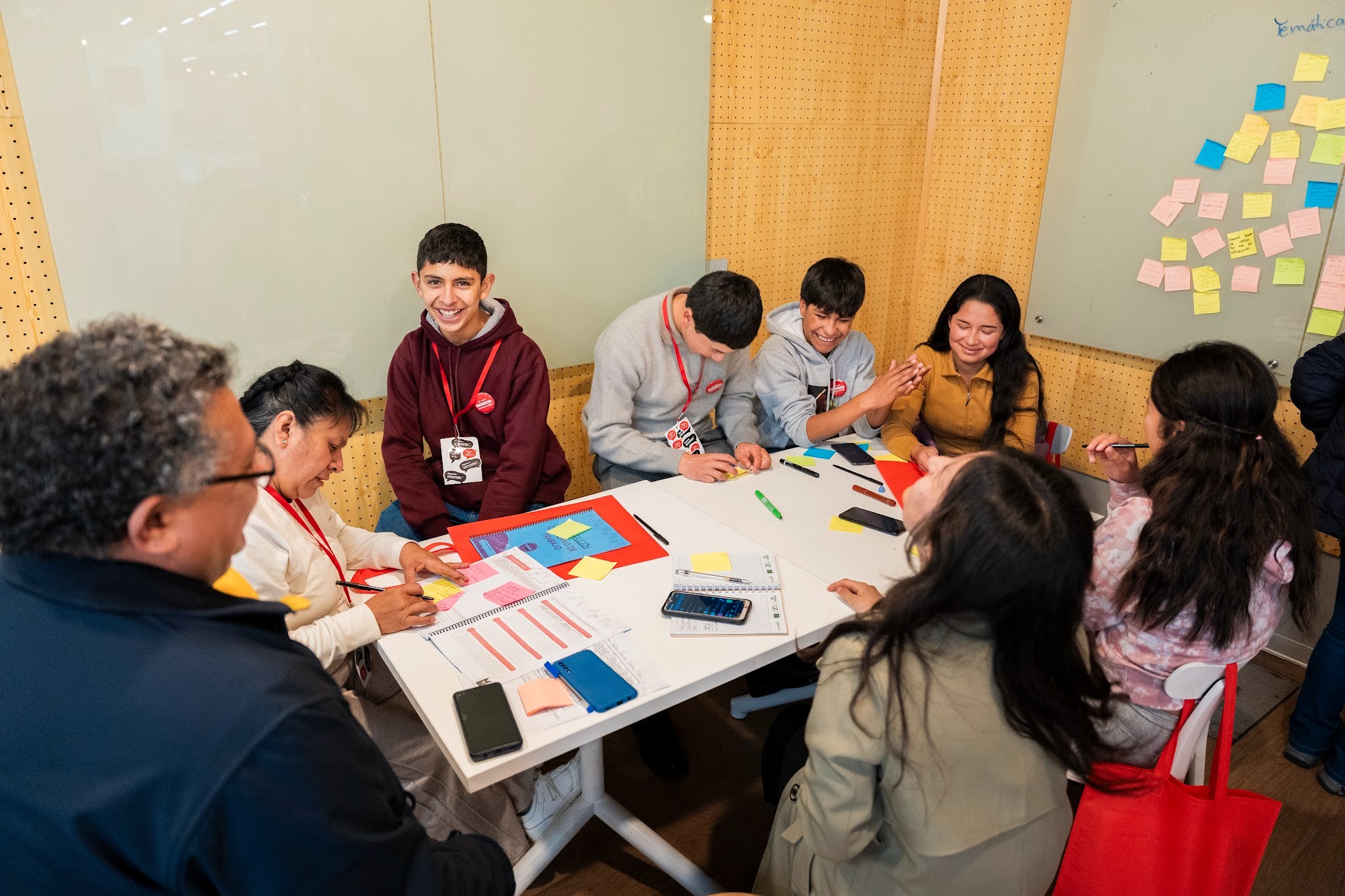
The collaborative research in both San Marcos and Ascope, as directed by the Advisory Committees, has produced key findings on the underlying attitudes and ideas within the education systems. The committees have already taken the next steps in producing tangible change based on the results of their research, continuing to focus on addressing local priorities with local solutions.
In Ascope, research results demonstrated that emotions play a significant role in literacy. To incorporate an emotional aspect into literacy within schools, students and teachers collaborated to design a survey of students’ reading interests and preferences. As the research team searches for stronger outlets for student voice, the survey has been viewed as an emerging tool for garnering greater student input. If proven to be useful in its pilot sessions, the survey results may then inform future pedagogical decisions.
Research results from San Marcos revealed that the community lacked a clear understanding of what student leadership, an abstract term, would practically look like in their school systems. After collectively discussing what student leadership means, the ongoing work of the new leadership committee is focused on a participatory collection of student leadership stories. This responds to a central finding: student leadership is highly mobilizing, but it is often understood narrowly as something linked to winning contests, leading projects, or occupying formal roles. The story collection seeks to make visible broader and more everyday forms of student leadership.
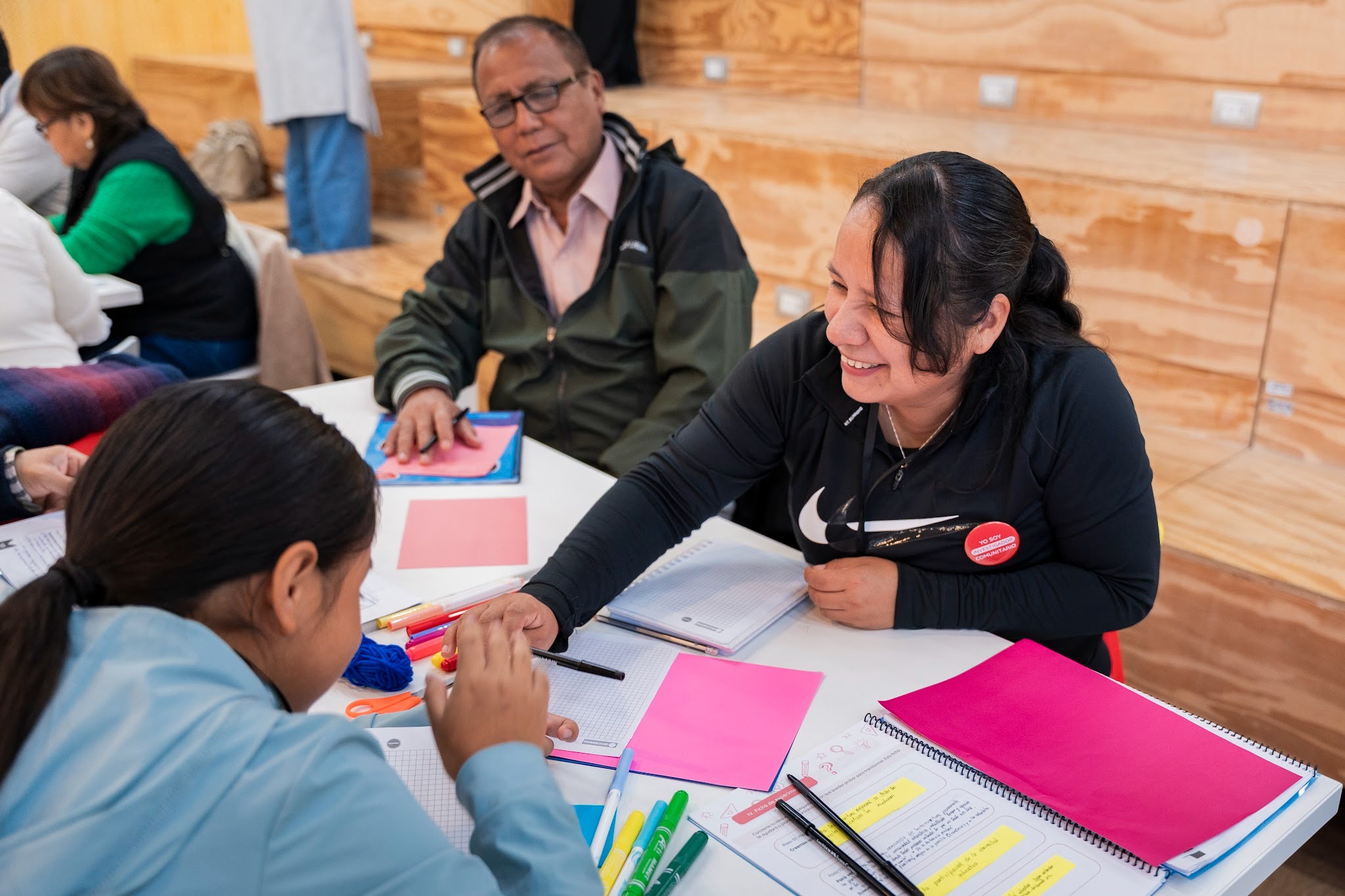
As the Advisory Committees’ results poured in, so did a new understanding of what participatory research truly is, informed by the committee members’ firsthand experiences. Throughout the process, members, whether students, parents, teachers, or administrators, learned to utilize the committee as a platform for exercising their own agency over the future of education. Members began to recognize the value of their own input in designing solutions that work for everyone, which coincided with a growing appreciation for the contributions of others.
A growing curiosity about the Advisory Committee members’ experiences has seen the expansion of participatory research. Community members are learning how to recreate the cooperative environment of the committees by embedding collaborative practices into their own contexts. This demand for resources led the committees to create a toolkit of participatory research techniques, including how to effectively run meetings, foster an atmosphere of collaboration, and provide community activations.